

Branding isn’t what it used to be. In 2025, it’s less about logos and more about experience, authenticity, and relevance.
U.S. brands that win today don’t just design, they connect. They don’t just sell, they stand for something.
What’s Changing in Branding?
A decade ago, branding meant having the right logo, tagline, and advertising campaign.
Today, that world has flipped.
Your brand isn’t what you say it is, it’s what people feel when they interact with you. It’s the story they tell about you when you’re not in the room.
Recent research across leading U.S. agencies and brand think tanks shows several defining shifts in how companies are approaching brand strategy in 2025:
- Purpose-driven branding & authenticity (Branded Agency, 2025)
- Design evolution: motion, sonic branding, minimal-maximal aesthetics (The Branding Journal, 2025)
- Hyper-personalization & omnichannel storytelling (Deloitte Digital, 2025)
Let’s break down how each of these trends is shaping the future of branding and what you can do to stay ahead.
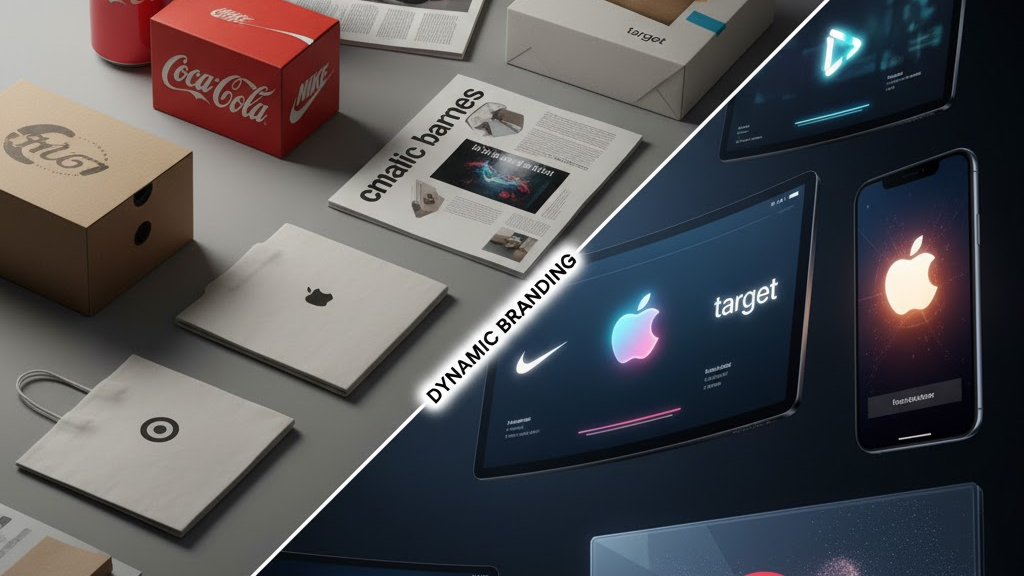
Key Trends U.S. Brands Should Embrace
Purpose & Values Matter
Purpose has become the heartbeat of modern branding.
In an era of consumer consciousness, Americans increasingly expect brands to take a stand not just to sell products, but share beliefs.
From Patagonia’s environmental stance to Ben & Jerry’s social advocacy, brands that mean something build deeper loyalty.
According to BrandedAgency.com, nearly 71% of U.S. consumers prefer to buy from brands that reflect their values.
But purpose has to be practiced, not just posted.
“Purpose-washing” claiming values without action is one of the biggest branding traps of 2025.
Action Tip:
Identify one authentic cause or value your brand truly supports.
Integrate it into your operations, your storytelling, and your culture, not just your campaigns.
A clear, consistent purpose builds emotional equity that money can’t buy.
Design & Experience: Real Motion, Sound & Story
Design is no longer flat, it’s alive.
Brands in 2025 are embracing motion graphics, sonic branding, and sensory storytelling to stay relevant in a multi-sensory world.
Think Netflix’s signature “ta-dum,” or Mastercard’s musical logo.
Even smaller U.S. startups are using motion logos, 3D visuals, and interactive web design to give users a living experience.
As The Branding Journal notes, we’re moving into a hybrid aesthetic: part minimalism (clean, intentional), part maximalism (bold, expressive).
Your visuals, sounds, and micro-interactions all communicate your brand’s feeling.
Action Tip:
Audit your digital presence. Does it move, sound, and feel current?
Explore adding motion elements to your site or videos, and consider a consistent sonic identity, a tone or sound that reinforces your brand emotion.
The future of design isn’t just what people see, it’s what they sense.
Hyper-Personalization & Omnichannel Storytelling
Today’s consumers interact with brands everywhere, Instagram, email, web, retail, chatbots, even voice.
It’s not enough to be present across these channels.
You need to deliver a seamless experience across them.
According to Deloitte Digital, 88% of consumers in 2025 expect brands to recognize their preferences across platforms and personalize accordingly.
That’s where AI-driven personalization steps in. Smart brands use data ethically to tailor everything: tone, offers, even visuals makes every customer feel seen.
Action Tip:
Map your customer journey. Identify where digital and physical experiences intersect.
Are your visuals, tone, and service consistent?
Are you using data to connect, not just target?
The future of branding is storytelling that feels personal, not programmed.
Sustainability & Circular Branding
Environmental consciousness is no longer a niche, it’s the mainstream.
Consumers want to know how products are made, who makes them, and what impact they have.
According to Quantive, brands ignoring sustainability risk credibility gaps and customer loss.
The shift toward circular branding where materials, messaging, and business models emphasize reuse, ethics, and transparency is accelerating.
From Nike’s “Move to Zero” to smaller eco-conscious labels like Rothy’s, U.S. brands are finding creative ways to link sustainability to lifestyle.
Action Tip:
Be radically transparent.
Show where your materials come from, how you offset carbon, or how your brand contributes socially.
Use your packaging, design, and storytelling to make sustainability part of your identity, not an afterthought.
In 2025, your eco-footprint is your brand footprint.
Why This Matters for U.S. Brands
The American market in 2025 is saturated.
There are millions of options for every product and algorithms amplify noise.
So, what cuts through?
Meaning. Emotion. Experience.
Strong branding provides powerful strategic advantages:
- Customer Loyalty: People stick with brands that align with their identity.
- Premium Pricing: Authentic storytelling builds perceived value.
- Cultural Resilience: Brands that adapt visually and culturally outlast trends.
- Community Building: Shared values create emotional tribes, not just customer bases.
In a crowded market, branding isn’t fluff, it’s infrastructure.
Common Mistakes Brands Make
Even as branding evolves, many businesses get stuck in old patterns.
Here are some pitfalls to avoid in 2025:
- Purpose-Washing: Saying you care without proving it. Consumers see through that instantly.
- Visual Stagnation: Relying on outdated aesthetics that feel disconnected from current culture.
- Siloed Channels: Treating digital and offline as separate worlds instead of one cohesive experience.
- Ignoring New Expectations: Underestimating how deeply consumers value ethics, transparency, and inclusion.
The modern brand isn’t static, it’s alive, self-aware, and responsive to culture.

Steps to Refresh Your Brand in 2025
If you’re a business owner, creative, or marketer. Here’s how to stay ahead:
1. Audit Every Touchpoint
From logo to tone to UX ask: does everything align with what your brand feels like today?
Conduct a brand health check across visuals, content, and audience perception.
2. Define Your Unique Story
Every great brand stands for something.
Clarify why you exist and who you serve. The clearer your story, the stronger your magnetism.
3. Upgrade Your Design
Experiment with motion, sound, and interaction. Revisit your typography, color psychology, and digital experience. Make sure it feels both modern and timeless.
4. Align with Authentic Values
Sustainability and inclusivity aren’t trends, they’re expectations.
Ensure your values aren’t just on your website but embedded in your culture and operations.
5. Execute Cohesively Across Channels
Whether someone finds you through TikTok, a podcast, or a billboard, they should instantly recognize your brand voice and feel.
Consistency is the glue that turns awareness into trust.
Final Takeaway
Branding in 2025 isn’t just about how you look.
It’s about how you make people feel.
It’s your tone in an email, the rhythm of your visuals, the energy of your story, and the trust behind your values.
If your brand can evolve visually, emotionally, and culturally,
if it can stay authentic while embracing innovation.
you’re not just designing a brand.
You’re designing legacy.
 YORKAURA
Leave a comment