
Branding has evolved more in the last five years than in the previous two decades. As technology transforms how consumers interact with businesses, the expectations from brands have risen sharply. Today, people don’t want companies that simply sell, they want brands that communicate, understand, relate, and stand for something meaningful.
As we move through 2025, three major themes define the new landscape of branding: purpose, personalization, and locality. Combined, these trends are reshaping how businesses tell their stories and how consumers decide which brands deserve their loyalty.
This shift is not abstract. It’s grounded in data and consumer behavior studies from platforms like Attest, Deloitte, and global brand researchers. Whether you’re a startup founder, marketer, or established business, these changes matter because they determine who wins attention and trust in an increasingly competitive digital world.
Let’s dive deeper into what these themes mean and how they’re shaping the future of branding.
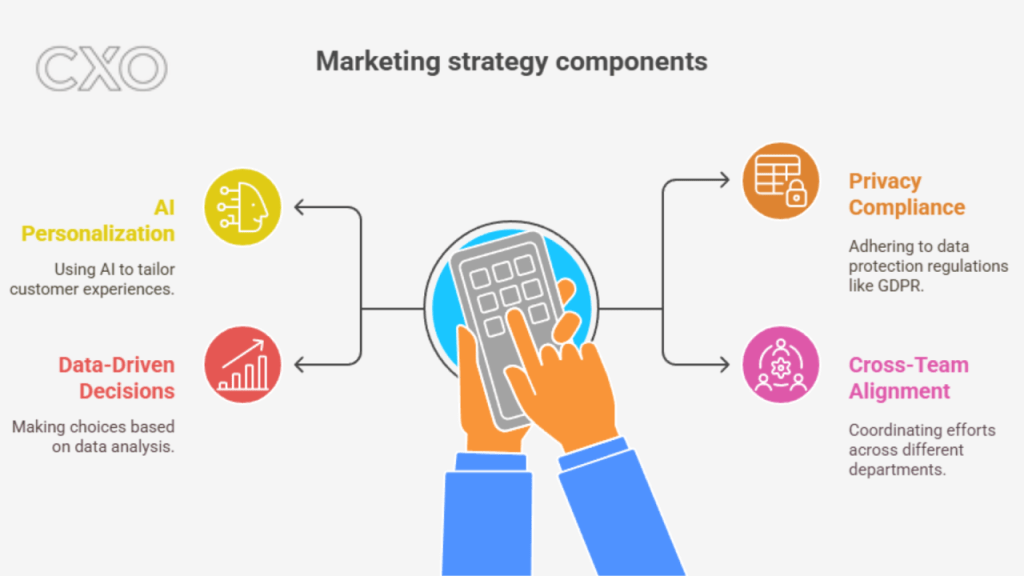
1. Data-Driven Personalization: The New Standard of Experience
In the era of abundant choice, consumers expect brands to treat them like individuals, not just users on a database. Personalization is no longer a “bonus”; it’s becoming a non-negotiable requirement.
Data from Attest and Deloitte shows a clear trend:
Consumers want brands to understand their preferences, buying habits, interests, and timing, and respond accordingly.
Personalization today includes:
- Tailored recommendations
- Predictive product suggestions
- Relevant content delivered at the right time
- Customized email flows
- Region-specific offers
- Personalized in-app experiences
- Smart segmentation based on behavior
Why is this so powerful? Because relevance builds connection. When people feel seen and understood, they trust brands more. Personalized experiences drive higher conversions, stronger loyalty, and deeper engagement.
But in 2025, personalization isn’t about intrusive tracking. It’s about ethical, transparent, user-supported data usage. Brands that explain why they collect data and how they use it earn far more goodwill than brands that operate in the shadows.
For entrepreneurs, this means investing early in analytics, CRM systems, and customer journey mapping. For marketers, it means moving away from generic messaging and embracing smart segmentation.
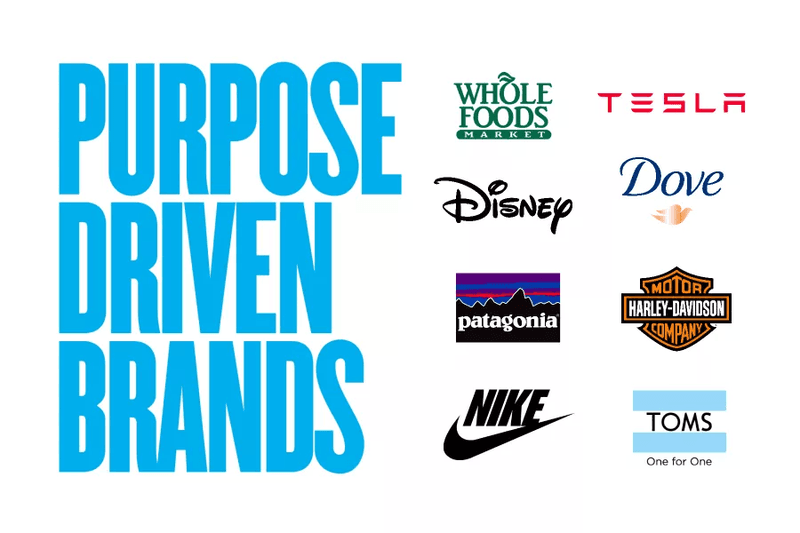
2. Purpose-Driven Branding: Standing for Something Real
The world has changed, and with it, consumer expectations. Today, customers don’t just evaluate what a brand sells, they evaluate what a brand believes.
Studies from Attest and Deloitte show that people increasingly gravitate toward brands that take a stand on:
- Sustainability
- Inclusivity
- Ethical sourcing
- Fair labor
- Mental health advocacy
- Diversity and representation
- Community support
Purpose-driven brands aren’t the loudest ones; they’re the most consistent ones. Their actions align with their messages. Their products reflect their values. Their communications reinforce their mission.
In 2025, consumers demand authenticity. Brand activism without action is quickly called out. People can sense performative messaging, and they reject brands that lack sincerity.
But brands that integrate purpose thoughtfully, and consistently, see huge advantages:
- Higher customer retention
- Stronger word-of-mouth
- Deeper emotional loyalty
- Better reputation resilience
- Greater differentiation
Purpose humanizes a brand. It gives consumers a reason to care beyond price and convenience.
For entrepreneurs, this starts with one question:
What do we stand for, and how can we prove it through action?
3. Hyper-Localization: When Global Doesn’t Beat Local
Global branding once meant one message everywhere. That era is gone.
Today, consumers want brands that reflect their culture, language, and local identity. Hyper-localization involves tailoring:
- Packaging
- Messaging
- Visual language
- Customer experience
- Social media content
- Product variants
- Offline interactions
…to specific regions, cities, or even neighborhoods.
Why is this rising? Because people want brands that feel native. In culturally diverse countries like India, localization is not an advantage, it’s a necessity. From language nuances to cultural moments, local insight helps brands form deeper connections.
Think of food, fashion, personal care, or fintech: the brands winning today are those that blend global vision with local relevance.
Hyper-localization also ties into personalization: the right message for the right culture at the right time.
For branding professionals, this means developing adaptable brand systems and culturally aware communication strategies.
4. Immersive & Human-Centric Experiences: The New Brand Playground
Alongside the major three trends, 2025 is seeing a rise in other powerful shifts:
A. Immersive experiences (AR/VR)
Brands are using AR/VR for:
- Virtual try-ons
- Interactive product demos
- Immersive brand storytelling
- Virtual showrooms
- 3D product exploration
Consumers love engaging experiences that go beyond screens.
B. Human-centric authenticity
Brands that feel honest, conversational, relatable, and transparent are winning more trust. People want to hear real voices, see real stories, and connect with real values.
C. Brand activism
More brands are openly supporting causes and social issues, but carefully and authentically. Activism that aligns with brand purpose resonates; activism for attention backfires.
These emerging elements make branding more dynamic, interactive, and emotionally powerful.
Why All This Matters
For Entrepreneurs
Your brand is no longer just what you sell. It’s how you speak, how you act, how you show up, and how you make people feel. Personalization, purpose, and locality give you an advantage that competitors can’t easily copy.
For Branding Professionals
The bar has risen. Generic campaigns won’t work anymore. The future belongs to brands that are:
- Insight-driven
- Meaningful
- Contextual
- Culturally intelligent
- Emotionally resonant
For the Indian Market
India’s diversity makes localization the biggest opportunity. Brands that understand regional emotion, language, festivals, lifestyle, and community values will outperform generic national messaging.
Key Takeaway
As we navigate 2025 and beyond, the strongest brands will be those that feel:
- Human : not corporate
- Purposeful: not opportunistic
- Personalized : not generalized
- Local: not disconnected
The brands that win the next decade will be the ones that show consumers they aren’t just selling, they’re listening, caring, and connecting.
 YORKAURA
Leave a comment