
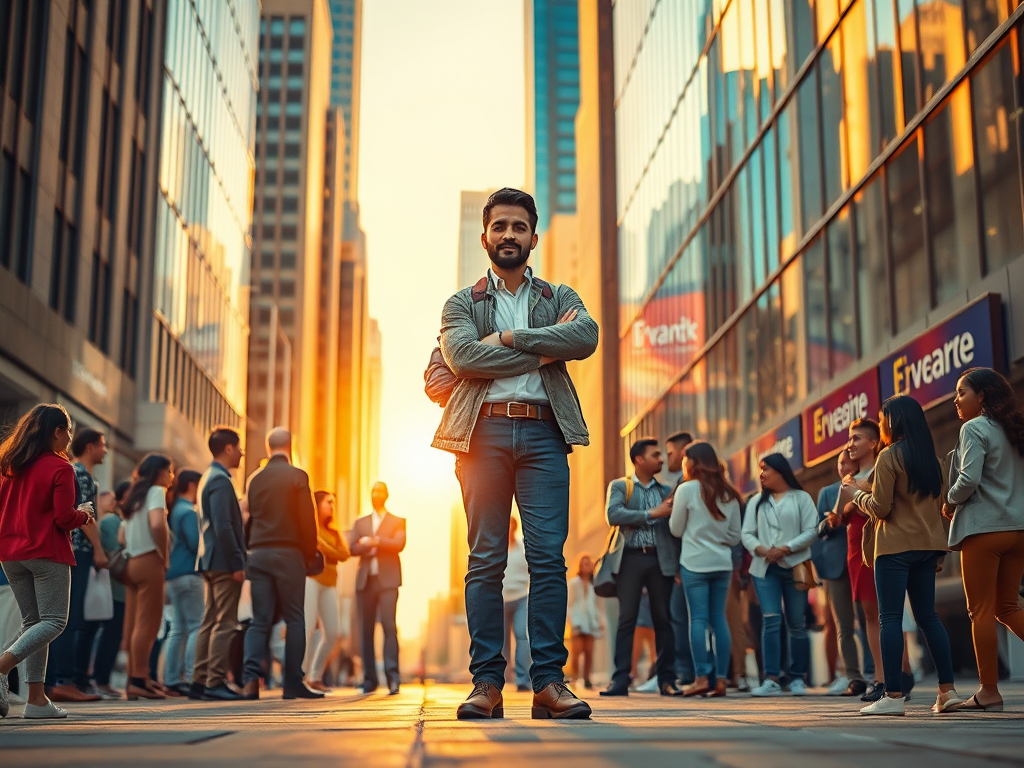
What Today’s Trending World News Is Teaching Us About Building Modern Businesses
Entrepreneurship in 2026 looks radically different from what it did just a few years ago. Scaling fast is no longer the ultimate goal. Going viral is not a strategy. Even major funding headlines no longer guarantee long-term survival.
Across global conversations, from AI disruption and economic shifts to workforce transformation and changing consumer psychology, one truth is becoming clear:
The future belongs to resilient brands, not just ambitious businesses.
Modern entrepreneurship is no longer just about launching products. It is about building trust, emotional relevance, adaptability, and sustainable growth. The brands that endure are the ones that evolve with the world while staying grounded in clear values.
Here’s what today’s environment is teaching founders about building businesses that last.
Trust Is the New Currency
In an age of misinformation, AI-generated content, and algorithm-driven feeds, skepticism is high. Consumers fact-check. They compare. They observe behavior before making decisions.
Transparency is no longer optional, it is expected.
Modern audiences support brands that feel human. They want to see the people behind the product. They value honesty over perfection. Founders who openly share their journey, admit mistakes, and communicate clearly build long-term loyalty.
Trust compounds over time. Unlike paid reach, it cannot be purchased, only earned. In 2026, branding is less about polish and more about credibility.
AI Is a Tool, Not a Brand
Artificial intelligence has transformed entrepreneurship. From content creation and design automation to customer insights and predictive analytics, founders now have unprecedented leverage.
But AI is infrastructure, not identity.
When everyone uses the same tools, brands risk blending into sameness. Efficiency increases, but differentiation decreases. The real competitive advantage lies in perspective, storytelling, and voice.
Successful entrepreneurs are using AI to streamline operations and optimize systems. At the same time, they are investing more deeply in founder visibility, community interaction, and authentic communication.
Technology builds systems. Personality builds brands.
Emotional Branding Is Leading Markets
Consumers no longer buy solely based on features. They buy alignment. They buy identity. They buy belongings.
Whether it is sustainability, wellness, financial education, or innovation, brands that connect emotionally outperform those that rely only on functionality. People want to feel understood.
Emotional branding is built through:
- Clear mission-driven messaging
- Value-based storytelling
- Community engagement
- Consistent tone and perspective
In uncertain economic and social climates, people gravitate toward brands that provide clarity and stability. If your product solves a problem, that’s important. If your brand makes people feel seen, that’s powerful.
Sustainable Growth Is Replacing Hustle Culture
The global dialogue around burnout and mental health has reshaped entrepreneurship. The “always-on” founder narrative is losing credibility. Overwork is no longer aspirational.
Today’s smart entrepreneurs understand that energy management is as important as time management. Sustainable output outperforms chaotic intensity. Systems matter more than hype.
Scaling without structure leads to instability. Growth without boundaries leads to exhaustion.
Modern branding reflects this shift. Founders are sharing realistic journeys instead of glorifying burnout. They are prioritizing clarity, routines, and long-term strategy over short-term spikes.
Sustainable ambition is becoming the new standard.
Community Is the Ultimate Advantage
Audiences no longer want one-way marketing. They want participation. They want connection.
Brands that create ecosystems, not just customer databases, build deeper loyalty. Private communities, memberships, interactive content, and collaborative product development are becoming powerful differentiators.
When customers feel like contributors rather than consumers, advocacy happens naturally. In 2026, community is not a side strategy. It is marketing.
Your audience should not just buy from you. They should feel like they belong with you.
Economic Pressure Is Driving Smarter Branding
Economic fluctuations have made consumers more intentional with spending. Impulse purchases are decreasing. Value alignment is increasing.
People are asking two questions:
- Can I afford this?
- Is this worth it?
Brands that communicate clearly, educate consistently, and demonstrate tangible benefits are winning attention.
Even premium brands must justify value through storytelling, transparency, and consistency. The era of vague promises is fading. Clarity builds confidence.
Founder-Led Brands Are Winning
One of the most visible trends in modern entrepreneurship is the rise of founder-led branding. People connect with people more than logos.
Platforms like LinkedIn, Instagram, YouTube, and podcasts have empowered founders to become visible thought leaders. When a founder shares insights, lessons, and experiences, they humanize the brand.
Founder visibility builds authority, relatability, and differentiation. It transforms businesses into movements driven by recognizable leadership.
People trust people before they trust companies.
Clarity Beats Complexity
In a noisy digital environment, simplicity stands out.
Clear positioning and concise messaging outperform complicated strategies. Brands that communicate who they serve, what they offer, and why they matter in straightforward language gain stronger traction.
Modern branding requires answering three questions clearly:
- Who is this for?
- What problem does it solve?
- Why should they trust you?
The brands that win in 2026 are not necessarily louder. They are clearer.
The Big Lesson: Build Brands That Adapt
The world will continue to change. Technology will evolve. Markets will fluctuate. Consumer expectations will shift.
Entrepreneurs who succeed long-term are not those who chase every trend. They are the ones who build adaptable, value-driven brands.
Resilient branding means staying consistent in mission while remaining flexible in strategy. It means prioritizing trust over hype, systems over chaos, and authenticity over imitation.
Entrepreneurship today is less about shortcuts and more about stewardship, of your audience, your energy, and your values.
In 2026, the strongest brands are not always the biggest.
They are the most trusted.
The most human.
The most intentional.
And that is what makes them last.
 YORKAURA
Leave a comment