
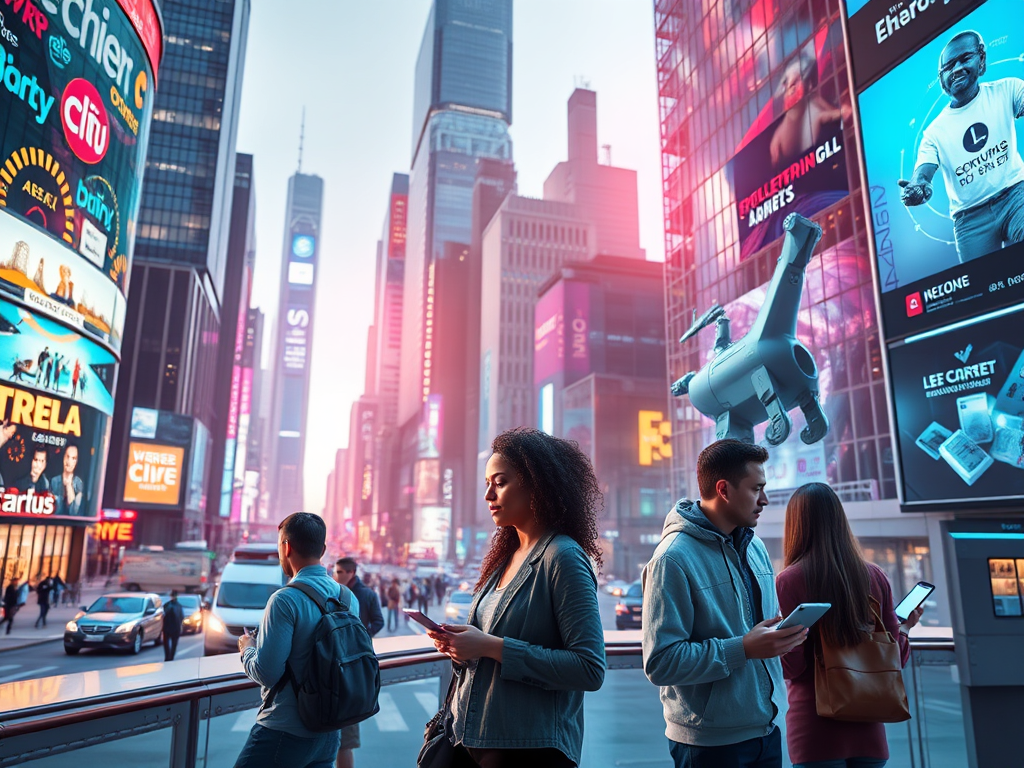
Entrepreneurship in 2026 looks very different from what it did just a decade ago. The global business landscape is evolving faster than ever, shaped by technological innovation, digital transformation, shifting consumer behavior, and an increasingly connected world. Today’s entrepreneurs are not only building products or services, they are building brands, communities, and meaningful experiences.
In the past, starting a business required large investments, physical infrastructure, and complex distribution systems. Today, technology has lowered many of those barriers. With the rise of digital platforms, artificial intelligence, social media, and global online markets, entrepreneurs can launch and grow businesses from almost anywhere.
However, this accessibility has also created intense competition. In a world where thousands of new businesses appear online every day, success is no longer just about having a good product. It is about building a powerful brand, creating trust, and delivering consistent value to customers.
Entrepreneurship in 2026 is therefore a combination of innovation, storytelling, adaptability, and strategic branding.
The Rise of Digital-First Businesses
One of the most significant trends in modern entrepreneurship is the rise of digital-first businesses. Companies today often start online before expanding into physical spaces. E-commerce platforms, digital services, online education, and content-based businesses are rapidly growing across the world.
This digital shift has enabled entrepreneurs to reach global audiences without traditional geographic limitations. A small startup can sell products internationally, offer services remotely, or build a global community through social media platforms.
However, digital accessibility also means customers have endless choices. As a result, businesses must focus on differentiation. Entrepreneurs need to clearly communicate what makes their brand unique and why customers should trust them.
Successful digital entrepreneurs understand that visibility alone is not enough. They must also create meaningful connections with their audience through authentic communication and consistent branding.
Branding: More Than Just a Logo
In earlier business models, branding was often associated with logos, colors, and marketing campaigns. While visual identity remains important, branding in 2026 goes far beyond design elements.
A brand today represents the personality, values, and mission of a business. It communicates what a company stands for and how it wants to impact the world. Customers increasingly choose brands that align with their personal beliefs and lifestyles.
This means entrepreneurs must define their brand story clearly. Why does the business exist? What problem does it solve? How does it make customers’ lives better?
Storytelling has become a powerful tool in modern branding. Instead of simply promoting products, successful brands share their journey, their purpose, and the experiences behind their creation. This approach builds emotional connections with audiences, turning customers into loyal supporters.
Trust is another key element of branding. In an era where information spreads quickly online, transparency and authenticity are essential. Businesses that communicate honestly and deliver on their promises are more likely to build long-term credibility.
Technology and the Entrepreneurial Advantage
Technology is one of the biggest drivers of entrepreneurial growth in the modern era. Artificial intelligence, automation tools, and data analytics are helping businesses operate more efficiently and make better decisions.
Entrepreneurs now use AI-powered tools to analyze customer behavior, manage marketing campaigns, generate content, and optimize operations. Automation reduces repetitive tasks, allowing founders to focus on creativity, strategy, and innovation.
At the same time, digital marketing tools enable businesses to understand their audiences more deeply. Data-driven insights help entrepreneurs tailor their products and services to meet specific customer needs.
However, while technology offers powerful advantages, it is not a substitute for human creativity and empathy. The most successful entrepreneurs combine technological efficiency with human-centered thinking. They use data to guide decisions but rely on intuition, storytelling, and emotional connection to build meaningful brands.
The Power of Personal Branding
Another defining feature of entrepreneurship in 2026 is the growing importance of personal branding. Consumers today are increasingly interested in the people behind businesses. They want to know the founders, understand their values, and follow their journeys.
Social media platforms have made it possible for entrepreneurs to share their experiences directly with audiences. Founders who communicate openly about their challenges, successes, and lessons learned often build strong communities around their work.
Personal branding also builds credibility. When entrepreneurs consistently share insights, knowledge, and expertise, they position themselves as trusted voices within their industries.
This does not mean every entrepreneur must become an influencer. Instead, it means embracing authenticity and transparency. By showing the human side of business, founders can create stronger relationships with customers and partners.
Purpose-Driven Entrepreneurship
Modern consumers increasingly support businesses that demonstrate social responsibility and positive impact. As a result, many entrepreneurs are building purpose-driven brands that aim to create value not only for customers but also for society.
Purpose-driven businesses may focus on sustainability, ethical production, community development, or social innovation. These companies recognize that profitability and responsibility can coexist.
Customers today often ask important questions before supporting a brand:
Does this company care about the environment?
Does it treat employees fairly?
Does it contribute positively to society?
Entrepreneurs who address these concerns transparently are more likely to earn customer trust and loyalty.
Purpose-driven branding also creates a deeper sense of meaning for founders and teams. When businesses operate with clear values and long-term vision, they inspire stronger commitment and motivation among everyone involved.
Adaptability: The Key to Long-Term Success
One of the most important qualities for entrepreneurs in the modern world is adaptability. Markets change quickly, technologies evolve, and customer preferences shift rapidly.
Successful entrepreneurs understand that flexibility is essential. Instead of resisting change, they continuously learn, experiment, and adjust their strategies.
This mindset includes staying informed about industry trends, listening to customer feedback, and being willing to refine products or services when necessary.
Innovation often comes from curiosity and openness to new ideas. Entrepreneurs who embrace lifelong learning are better equipped to identify opportunities and respond effectively to challenges.
Adaptability also means maintaining resilience. Every business journey includes setbacks and obstacles. The ability to remain focused, motivated, and solution-oriented during difficult moments is a defining trait of successful founders.
Building Communities, Not Just Customers
In the modern entrepreneurial landscape, the most successful brands are those that build communities rather than simply selling products.
Communities create deeper relationships between businesses and their audiences. Instead of one-time transactions, customers become active participants in a brand’s story.
Entrepreneurs can foster community through meaningful engagement, responding to feedback, encouraging conversations, hosting events, and sharing valuable content. When people feel heard and valued, they are more likely to support a brand long-term.
Community-driven businesses also benefit from organic growth. Loyal customers often become brand advocates, recommending products and services to others.
This approach transforms marketing from simple promotion into genuine relationship-building.
The Future of Entrepreneurship
Looking ahead, entrepreneurship will continue to evolve alongside technological and social changes. Digital platforms, artificial intelligence, and global connectivity will create new opportunities for innovation and collaboration.
However, the core principles of successful entrepreneurship will remain consistent: creativity, resilience, purpose, and authenticity.
Businesses that combine these qualities with strategic branding will stand out in an increasingly competitive environment.
Entrepreneurs who focus on building trust, delivering value, and creating meaningful experiences will not only grow their companies but also contribute positively to the global economy.
Final Thoughts
Entrepreneurship in 2026 is about far more than launching a product or starting a company. It is about building brands that inspire trust, creating solutions that improve people’s lives, and shaping the future through innovation and purpose.
The most successful entrepreneurs understand that branding, storytelling, and authenticity are just as important as strategy and technology.
By embracing change, staying connected to their mission, and building genuine relationships with customers, modern entrepreneurs can create businesses that thrive in a rapidly changing world.
In the end, entrepreneurship is not only about profit, it is about vision, impact, and the courage to turn ideas into reality.
 YORKAURA
Leave a comment